Moving to Tampa often starts with a lifestyle question: do you want to be in the middle of the city, or do you want space, privacy, and a more controlled residential setting? If Avila is on your radar, you are likely looking for a luxury home that feels tucked away while still keeping downtown, the airport, and major business hubs within reach. This guide will help you understand how Avila works, who it tends to suit best, and what to verify before you make a move. Let’s dive in.
What Avila Is Really Like
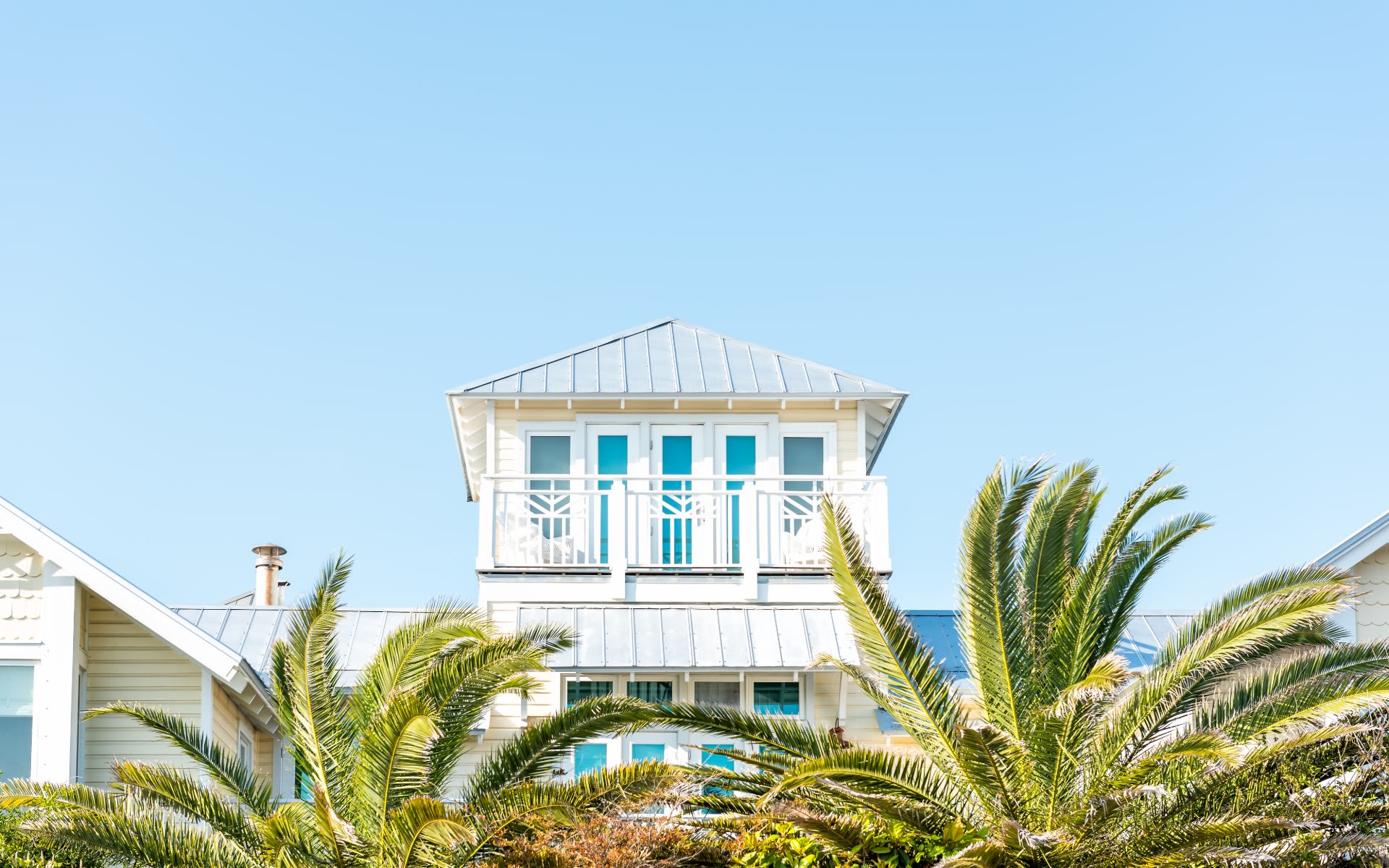
Avila is a private, deed-restricted residential community in north Tampa’s 33613 area. According to official HOA materials, it spans about 900 acres and sits roughly 10 miles north of downtown Tampa. The setting is defined by tree-lined streets, lakes, conservation areas, and a country club at the center of the community.
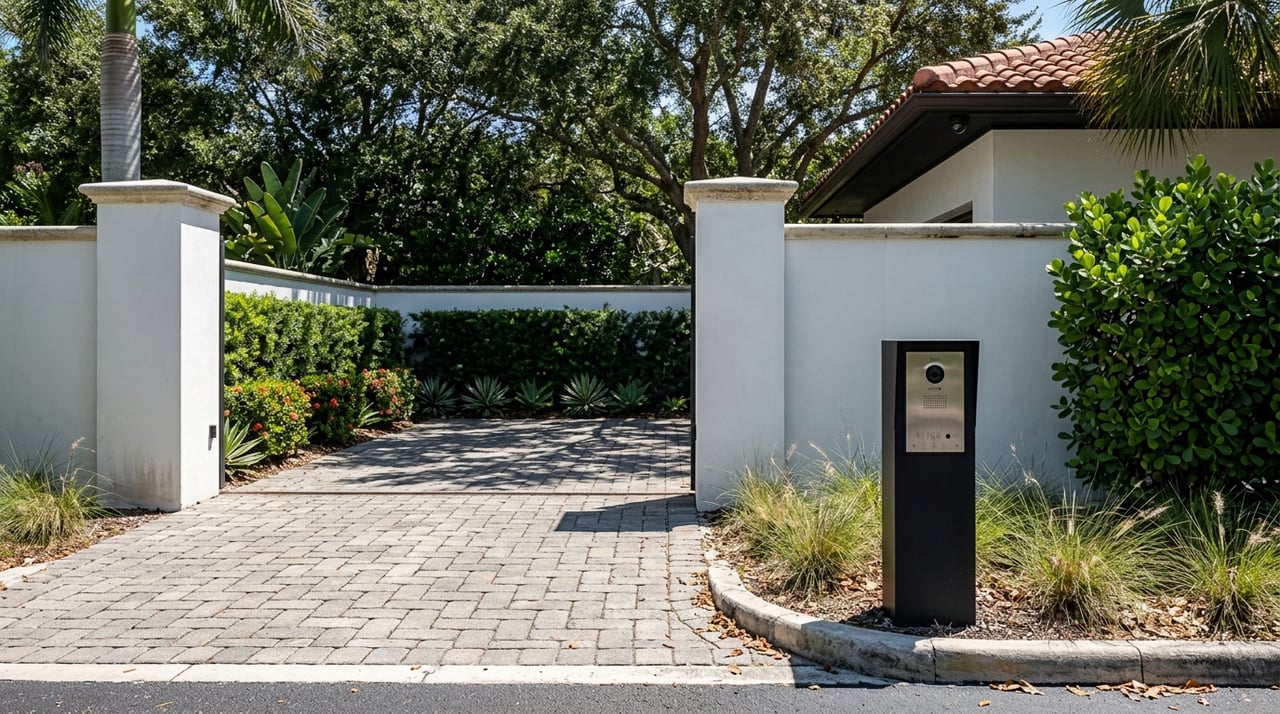
For many relocating buyers, the biggest draw is the sense of separation from the pace of the city. The HOA states that gatehouse security operates 24/7/365 with marked patrols and controlled access. If privacy and structure matter to you, that can be a meaningful part of the appeal.
Avila is not trying to be an urban, walkable district. It is better understood as a residential enclave built around estate living, controlled access, and a country-club rhythm. That distinction matters because it shapes everything from your daily routine to the type of home experience you can expect.
Why Buyers Choose Avila
Many luxury buyers consider Avila because it offers a rare blend of privacy and practical access. You can live in a more secluded environment without giving up reasonable proximity to downtown Tampa, airport travel, and major employment corridors. For executives, physicians, entrepreneurs, and frequent travelers, that balance can be especially attractive.
The lifestyle also has a strong recreational component. Official community and club materials highlight golf, tennis, fitness, dining, aquatics, and junior and family programming, along with community features such as a park, dog park, walking path, open field, basketball court, lighted track, and seasonal pickleball use. If you want amenities close to home, Avila delivers a broad mix.
There is also a distinct golf identity here. Community materials note that the golf course was redesigned by Jack Nicklaus, which reinforces Avila’s country-club character. Even if you are not an avid golfer, that design legacy contributes to the neighborhood’s overall image and appeal.
Club Lifestyle and Membership Details
One point that often surprises relocating buyers is that the golf club and the property owners association are separate. Official handbook language states that property owners are not automatically club members. In practical terms, that means you should verify membership categories, dues, waitlists, and access directly rather than assume they come with homeownership.
That step is important because your lifestyle expectations may depend on it. If golf, dining, tennis, aquatics, or junior programming are central to your decision, you will want clear answers before you buy. A home in Avila may place you close to the club, but membership is its own decision path.
This is where a detail-focused buying process matters. In a luxury community, small assumptions can become expensive ones. It is worth confirming the exact lifestyle package you are buying into, not just the address itself.
Commute and Travel Access
Avila’s location is one of its strongest practical advantages. HOA materials place the community about 10 miles from downtown Tampa and about a 20-minute drive to Tampa International Airport. That can make the neighborhood appealing if your schedule includes flights, client meetings, hospital shifts, or regular downtown commitments.
Tampa International Airport sits at 4100 George J. Bean Parkway and reports roughly 25 million passengers per year with more than 100 nonstop domestic and international destinations. For buyers who travel often, that level of connectivity adds real convenience. It also supports the needs of cross-border and out-of-state households who want easier arrival and departure logistics.
Westshore is another major access point to know. It is Tampa Bay’s largest employment center, with more than 6,500 businesses and 100,000 employees, and the district includes the airport. If your work touches corporate offices, hospitality, finance, or regional business operations, that proximity can support a smoother daily routine.
A reasonable traffic-dependent estimate is about 20 minutes to downtown or Water Street and a similar off-peak window to Westshore or airport-area destinations. Peak traffic on I-275 can extend those drives, so it is smart to test routes during the times you would actually travel. Weekend drive times rarely tell the full story.
Access to Hospitals and Medical Campuses
If you work in healthcare or want quick access to major hospital systems, Avila’s north Tampa location can be a practical fit. Nearby major campuses include AdventHealth Tampa at 3100 E Fletcher Avenue, AdventHealth Carrollwood at 7171 N Dale Mabry Highway, BayCare St. Joseph’s Hospital-North at 4211 Van Dyke Road in Lutz, and Tampa General Hospital at 1 Tampa General Circle on Davis Islands.
For many physicians and healthcare leaders, the Fletcher and Dale Mabry corridors are the most convenient commute patterns from this area. Drives to Davis Islands and Tampa General are typically longer, based on the campus locations. If hospital access is part of your housing decision, route testing should be part of your home search.
This is one reason Avila tends to appeal to high-demand professionals. You can maintain a more private residential setting while staying connected to major medical, business, and airport nodes across the region. That mix is not common in every luxury neighborhood.
Schools and Planning by Address
If school access is part of your relocation plan, the key point is simple: verify assignments by address. Hillsborough County Public Schools provides a School Locator, and attendance boundaries can change. That means nearby schools can be useful reference points, but not guaranteed assignments.
In the Avila corridor, public-school reference points include Muller Elementary Magnet at 13615 N 22nd Street, Buchanan Middle at 1001 W Bearss Avenue, Carrollwood K-8 at 3516 McFarland Road, and Gaither High at 16200 N Dale Mabry Highway. These locations can help you understand proximity as you compare commute patterns and daily routines.
Nearby private and independent options also include Corbett Prep in Carrollwood, Jesuit High School, and Tampa Prep in downtown Tampa. As with any relocation move, the practical question is not just what options exist, but how those locations fit into your weekly schedule. Address-level planning matters.
What Living in a Deed-Restricted Community Means
Avila’s privacy comes with structure. The HOA describes the community as deed-restricted, and the rules include standards for parking, vehicle storage, visitor clearance, and exterior changes. Remodeling, roof work, additions, and landscaping changes require ARC approval.
For some buyers, that level of oversight is a benefit because it helps maintain a consistent community environment. For others, it may feel restrictive if they are used to more flexibility. Neither is right or wrong, but it should match your preferences.
If you are design-minded, this is especially important to understand early. A beautiful estate may still need approval for future exterior updates, landscaping plans, or construction changes. Knowing that upfront can help you buy with confidence and plan responsibly.
Who Avila Fits Best
Avila tends to fit buyers who value privacy, controlled access, and a country-club setting more than a walkable city lifestyle. If your ideal day includes a quiet residential environment, landscaped surroundings, and amenities centered around recreation and club life, this community may feel like a natural match. If you want coffee shops and nightlife at your doorstep, another area may suit you better.
It can be an especially strong fit for people whose schedules move between home and key destinations across Tampa. That includes business leaders, medical professionals, entrepreneurs, and relocating households who want a more insulated home base with practical regional access. In that sense, Avila offers a compelling middle ground between retreat and connectivity.
For luxury buyers, there is also the design and presentation factor. Avila is known for substantial homes and estate-style living, which makes thoughtful property selection especially important. The right home is not just about square footage, but about site placement, privacy, flow, renovation potential, and long-term resale appeal.
Smart Questions to Ask Before You Buy
A polished showing can tell you a lot, but the right questions tell you more. When you tour Avila, focus on how the community functions day to day, not just how it looks in the moment. That is often where the best buying decisions are made.
Here are a few questions worth asking:
- What are the current gate procedures for residents, vendors, and guests?
- What club membership options are available, and what do they include?
- Which HOA rules affect parking, deliveries, renovations, and exterior changes?
- What does the drive feel like during weekday rush hour?
- Which schools are assigned to this specific address?
- If updates are planned, what approvals may be required?
For a luxury purchase, details shape lifestyle. A home can be stunning on paper and still be the wrong fit if the daily logistics do not align with how you actually live.
Why Guidance Matters in Avila
In a community like Avila, the buying process is about more than finding a house behind the gates. It is about understanding the full picture: membership structure, deed restrictions, location advantages, commute realities, and the design potential of the property itself. That is where local, high-touch guidance can make a real difference.
For buyers who care about architecture, aesthetics, and the future value of a home, a design-aware approach matters. The most successful purchases in luxury neighborhoods often come from seeing not only what a property is today, but what it can become with the right planning. That kind of perspective can help you choose more wisely from the start.
If you are considering a move to Avila, it helps to work with an advisor who understands both the lifestyle and the property-level nuances that influence long-term satisfaction. For tailored guidance on Avila and other luxury neighborhoods across Tampa Bay, connect with Jose Cardenas.
FAQs
What is Avila in Tampa known for?
- Avila is known as a private, deed-restricted residential community in north Tampa with 24/7 gatehouse staffing, controlled access, estate-style homes, and a country-club-centered lifestyle.
Is club membership included with an Avila home purchase?
- No. Official community materials state that the golf club is separate from the property owners association, and property owners are not automatically club members.
How far is Avila from downtown Tampa and the airport?
- HOA materials describe Avila as about 10 miles from downtown Tampa and about a 20-minute drive to Tampa International Airport, with actual drive times depending on traffic.
What amenities are available in Avila?
- Community and club materials highlight golf, tennis, fitness, dining, aquatics, junior and family programming, plus a park, dog park, walking path, open field, basketball court, lighted track, and seasonal pickleball use.
Are school assignments in Avila guaranteed by proximity?
- No. Hillsborough County Public Schools says assignments should be confirmed by address because attendance boundaries can change.
Who is Avila a good fit for?
- Avila is generally a strong fit for buyers who prioritize privacy, controlled access, country-club amenities, and practical access to downtown Tampa, the airport, and major business or medical corridors.