If your Avila home is already impressive, you might wonder whether staging really matters. In a luxury community built around privacy, estate architecture, and a polished arrival experience, the answer is yes. The right staging helps buyers understand scale, lifestyle, and value faster, both online and in person. Let’s dive in.
Why Avila Staging Needs A Different Approach
Avila is not a typical neighborhood, and your staging should reflect that. According to Avila’s community history, the neighborhood is a 900-acre gated community in north Tampa known for elegant estates, tree-lined streets, conservation areas, and a country club setting centered on privacy and prestige.
That setting shapes buyer expectations before they even walk through your front door. Homes here benefit from a presentation that feels classic, warm, and refined, not casual, overly trendy, or loosely styled. In many cases, the most effective look is one that complements estate architecture and allows the home’s materials, proportions, and setting to lead.
What Luxury Buyers Respond To
Staging is not just about making a home look attractive. It is a tool that helps buyers picture themselves living there. In the National Association of Realtors 2025 Profile of Home Staging, 83% of buyers’ agents said staging makes it easier for buyers to visualize a future home.
That same report found that 49% of sellers’ agents said staging reduced time on market, and 29% said it increased dollar value offered by 1% to 10%. For an Avila estate, that matters because buyers at this level are not only comparing square footage. They are comparing feeling, finish, presentation, and how clearly the home supports the lifestyle they want.
Stage For Photos First
Before buyers schedule a showing, they usually meet your home online. NAR reports that listing photos are the most useful online feature for buyers, and 52% of buyers found the home they purchased online, as explained in this NAR article on maximizing online visibility.
That means staging and marketing should work together from the beginning. The furniture plan, styling choices, and room edits should all support strong photography, video, and a clear visual sequence. In a luxury listing, the goal is not to document every room. It is to tell a compelling estate story from the very first image.
The Institute for Luxury Home Marketing also emphasizes highlighting architectural strengths, minimizing awkward spaces, and creating a vision of luxury lifestyle. That is especially important in larger homes, where empty or poorly scaled rooms can feel cold instead of grand.
Lead With The Arrival Experience
In Avila, presentation begins before the entry. The community’s FAQ and access guidelines note rules around garaged vehicles, closed garage doors, and no street parking, while Avila’s fundamentals also reinforce its controlled-access and 24/7 security environment.
For your listing, this means the approach to the home should feel deliberate and uncluttered. Driveways should be spotless. Garage doors should remain closed unless needed for access. The front entry should feel clean, welcoming, and proportional to the home’s architecture.
Luxury buyers notice these details because they set the tone. A smooth arrival experience supports the sense that the home is cared for, private, and ready.
Use A Style That Fits Avila
One of the biggest staging mistakes in an estate neighborhood is using a generic design formula. Avila’s identity is tied to elegant living and a story inspired by a historic walled city in Spain, as described on the official community page. That makes a warm, tailored, and restrained look a safer fit than beachy styling or highly trend-driven decor.
Think fewer pieces, but better ones. Use furniture scaled to the room, not to a standard suburban floor plan. Choose art, textiles, and accessories that support the architecture instead of competing with it.
Prioritize The Rooms That Matter Most
Not every room needs the same level of attention. The NAR 2025 staging report ranks certain spaces as more important because they shape buyer perception faster.
Stage The Living Room With Intention
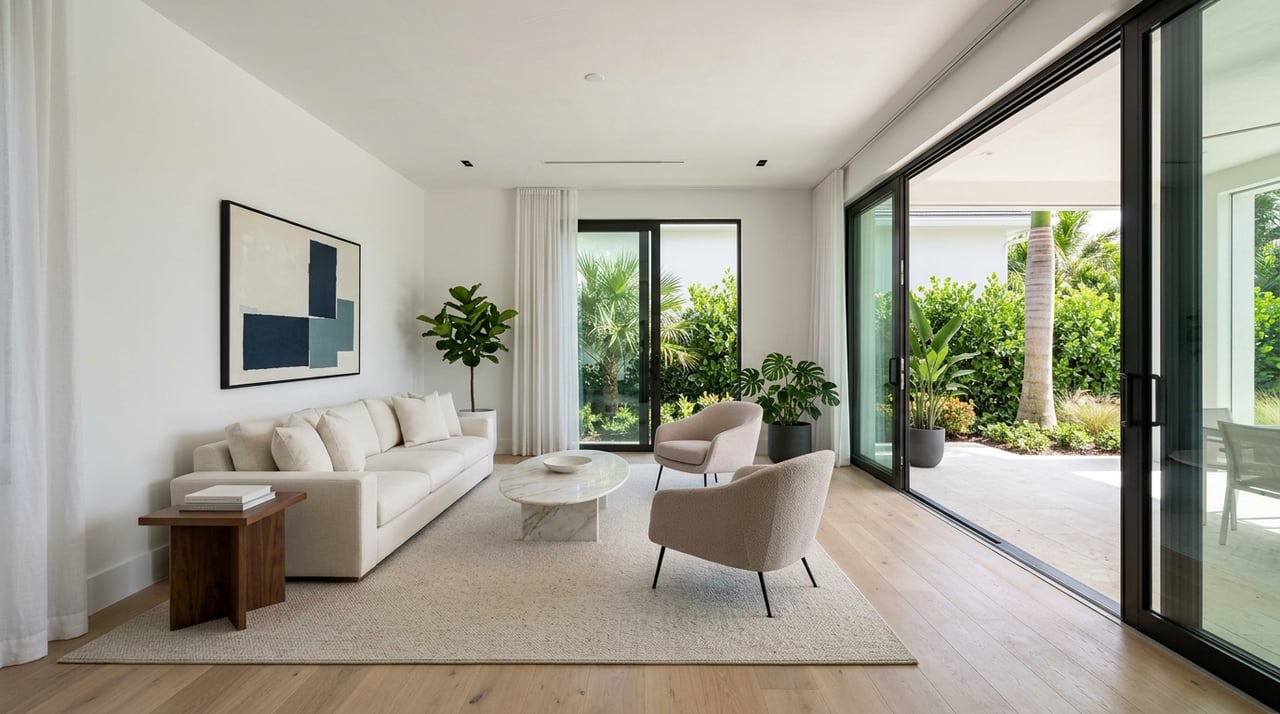
The living room is the most important room to stage, according to the NAR 2025 Profile of Home Staging. In an Avila estate, this room often carries the home’s architectural story through ceiling height, fireplace design, window placement, and backyard or golf-course-facing views.
Use scale-appropriate seating and create one clear conversation area. Avoid too many small pieces that can make a large room feel busy or underfurnished. Keep sightlines open so buyers immediately understand the volume and flow of the space.
Make The Primary Suite Feel Restful
The primary bedroom ranks just behind the living room in staging importance. Buyers want this space to feel calm, private, and restorative.
A hotel-like approach works well here. Crisp bedding, balanced nightstands, soft layers, and limited decor can help the room feel elevated without feeling staged for effect. The goal is quiet confidence.
Edit The Kitchen Carefully
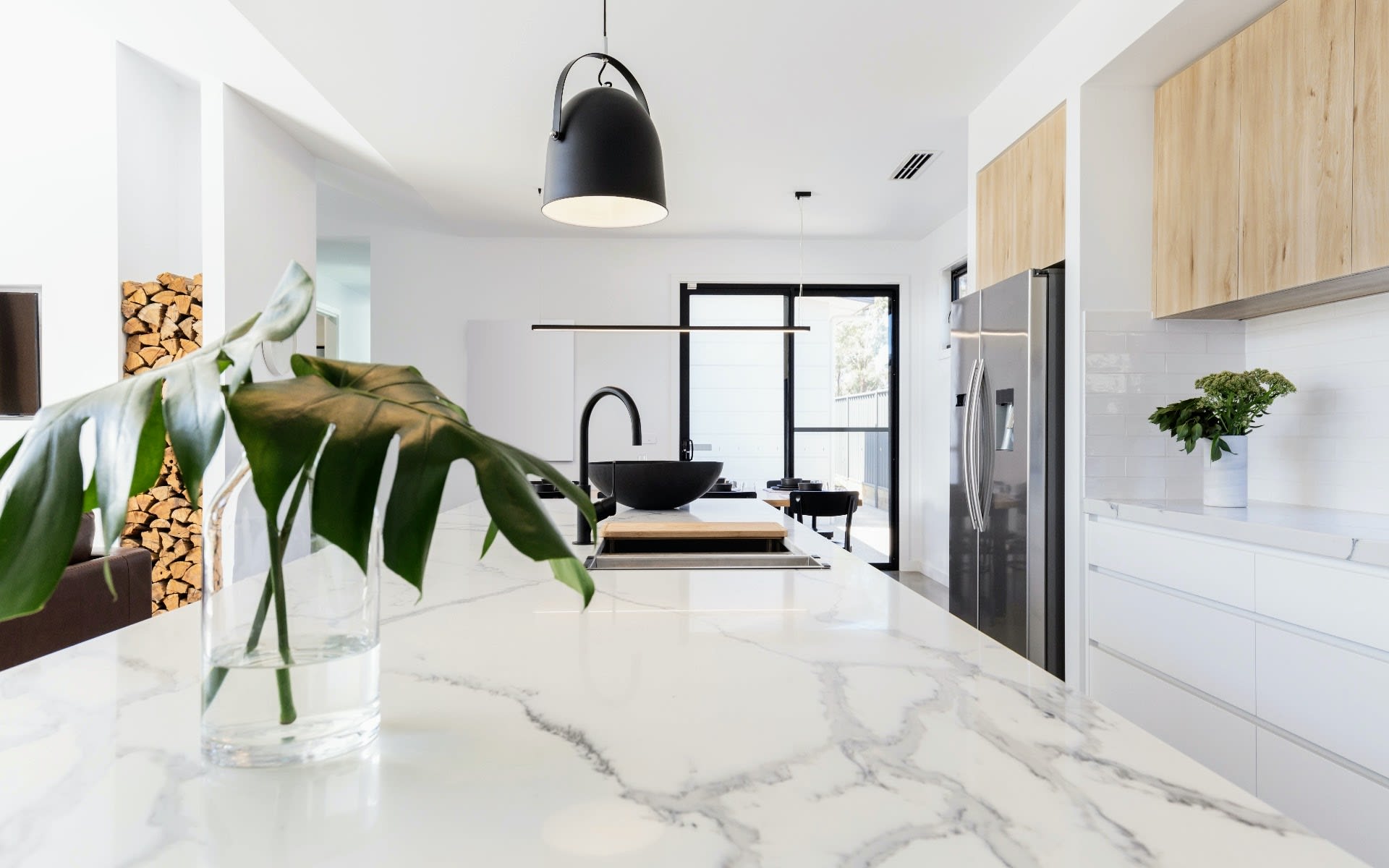
The kitchen is another high-priority space. Buyers want to see the cabinetry, island, stone surfaces, and layout clearly.
That means counters should be edited down to only a few quality items. Remove visual clutter so the finishes can read well in photos and in person. In luxury homes, less is usually more.
Keep Bathrooms Spa-Like
Bathrooms do not need heavy styling to make an impact. Clean lines, fresh towels, and a simple presentation often work best.
In this setting, buyers respond to cleanliness, light, and finish quality. A spa-like feel supports the luxury story without distracting from the room itself.
Treat Dining And Office Spaces Strategically
Dining rooms are commonly staged, and they help communicate the entertaining side of the home. In Avila, that can reinforce the polished country-club lifestyle many buyers expect.
Office and flex spaces also deserve attention. NAR notes that buyers actively look for flexible spaces such as home offices and guest rooms. A well-styled office should feel polished and useful, not overly personal or overly themed.
Keep Guest Rooms Simple
Guest bedrooms are among the least important rooms to stage. That does not mean you should ignore them. It means they should stay neutral, spacious, and easy to understand.
Avoid heavy themes or too much furniture. Let buyers see flexibility.
Connect Indoor And Outdoor Living
In Florida, outdoor living is part of the home, not an extra. NAR includes outdoor and yard space in the staging conversation, and in Avila that often means the lanai, patio, pool deck, and outdoor dining areas should feel connected to the interior.
The strongest setups make the transition feel seamless. Comfortable seating, clean lines, and a clear visual path from main living spaces to the backyard can help buyers understand privacy, depth, and entertaining potential right away.
This is also where restraint matters. Outdoor spaces should feel refined and relaxed, not overfilled. The setting should support the estate feel of the property.
Physical Staging Usually Wins
For vacant rooms, virtual staging can be useful. But it should not be your first choice if you want the strongest impression. The NAR 2025 report shows that buyers’ agents value traditional physical staging more than virtual staging.
In a luxury listing, that makes sense. Buyers are evaluating quality, scale, and atmosphere. Physical staging helps those elements feel real and immediate during showings and across marketing visuals.
Build A Photo Sequence That Sells
Luxury marketing is not just about having beautiful images. It is about showing the right images in the right order. NAR advises highlighting the strongest features early, and the Luxury Property Marketing Checklist supports using high-quality photography, videography, aerials, and carefully selected visuals to showcase the property’s best features.
For an Avila home, that often means starting with a powerful exterior or lifestyle-driven image, then moving into the rooms that best express the estate story. If the home has a dramatic entry, elegant great room, resort-style pool area, or strong indoor-outdoor connection, those features should appear early.
The best marketing does not feel random. It feels curated.
Staging Is About Clarity, Not Decoration
Some sellers hear “staging” and think throw pillows, accessories, and surface-level styling. In a luxury estate, the real purpose is much more strategic.
Staging helps buyers read the home correctly. It shows them how large rooms should function, where views matter most, and how architecture and lifestyle come together. When done well, it does not hide the house. It makes the house easier to understand and harder to forget.
If you are preparing to sell in Avila, thoughtful staging can do more than improve appearance. It can sharpen your pricing story, strengthen your first impression, and help your home compete at the level buyers expect. When you want a design-led, high-touch strategy for presenting an exceptional property, connect with Jose Cardenas to artfully market your home.
FAQs
Do luxury homes in Avila really need staging?
- Yes. According to NAR, staging helps buyers visualize the home more easily, and in Avila it also helps communicate scale, architecture, and lifestyle.
Which rooms matter most when staging an Avila home?
- The living room matters most, followed by the primary bedroom and kitchen, based on NAR’s 2025 home staging data.
Is virtual staging enough for an Avila estate listing?
- Usually no. Virtual staging can help vacant rooms, but NAR data shows buyers’ agents place more value on physical staging.
What style works best for staging a home in Avila?
- A warm, classic, and restrained style usually fits best because it complements Avila’s estate architecture and refined community identity.
How should outdoor spaces be staged for Avila buyers?
- Outdoor areas should feel like a true extension of the interior, with clean lines, comfortable seating, and an uncluttered layout that supports privacy and entertaining.
Why does arrival matter so much when showing a home in Avila?
- Avila’s controlled-access setting and community rules around vehicles, garage doors, and street parking make the exterior presentation and entry experience especially important.