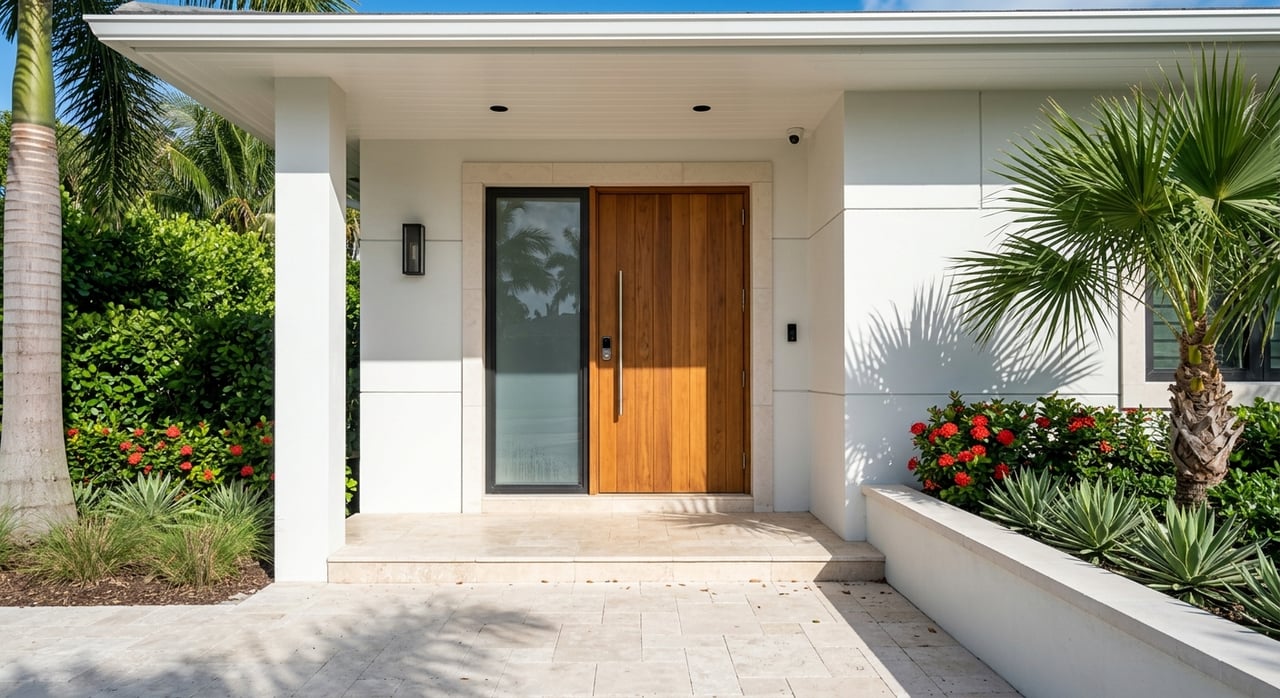
Buying in Avila can feel straightforward until you look closely at the fee structure. That is where many buyers pause, especially if you are comparing homes with different monthly charges or wondering whether club membership is part of the deal. If you are considering a home in this gated North Tampa community, understanding the difference between HOA dues, security-related costs, club fees, and renovation approval expenses can help you make a smarter decision before closing. Let’s dive in.
Avila Fees Start With Two Separate Systems
One of the most important things to understand is that Avila’s homeowners association and Avila Golf & Country Club are not the same organization. According to the Avila Property Owners Association, the community is a 900-acre deed-restricted neighborhood in north Tampa, and the APOA manages administration, maintenance, and security for homeowners.
The Avila Golf & Country Club operates separately, even though the two entities work closely together. For you as a buyer, that means HOA dues are one expense and club dues are another. This is one of the biggest points to clarify early, especially if you are budgeting for the full cost of ownership.
HOA Dues Are Mandatory
If you buy a home in Avila, the HOA assessment is a required ownership cost. The challenge is that there does not appear to be one flat fee across the entire community. Public listing disclosures show monthly association charges that vary by property and section.
Current public examples have shown monthly fees of $342, $370, $521, and $667, with listing details tying those charges to items such as 24-hour guard service, private roads, security, and grounds maintenance. Some listings also reference features like clubhouse access, golf course, pool, tennis, or trash service in the fee description, so the exact breakdown should always be confirmed for the specific property you are buying. The available public listing evidence is summarized in this Avila home listing disclosure.
Why HOA Costs Can Differ By Address
The public fee examples suggest that Avila ownership costs can vary materially depending on the parcel and section. The APOA explains the community structure and role of the association through its APOA fundamentals, but public sources do not show a single community-wide monthly assessment that applies to every home.
That means you should treat HOA dues as a property-specific due diligence item, not a neighborhood-wide assumption. Before closing, confirm the exact current monthly assessment for the home, what it covers, and whether there are any section-specific obligations that affect your carrying costs.
What HOA Dues Often Cover
In many public Avila listings, the HOA charge is tied to essential community operations rather than cosmetic extras. Commonly referenced items include guard service, security, private roads, and grounds maintenance. That aligns with the APOA’s public description of its role in common-area upkeep and resident services.
Security is especially central to the Avila ownership experience. So while not every listing spells out every line item the same way, many do indicate that security-related services are part of the recurring association cost.
Security Is A Real Part Of Ownership
Avila presents security as a meaningful operating system, not just a gate at the entrance. Its community benefits page describes 24/7/365 gatehouse staffing, uniformed patrols, controlled access, and rapid response.
For buyers, that matters because these services shape both cost and daily routine. It also means access for guests, service providers, and real estate activity is more structured than in many other gated communities.
Visitor And Open House Rules
The same public information notes that visitors should not move through Avila unaccompanied, and open-house access must be coordinated through Security. Residents are also asked to notify Security when they expect larger guest-parking needs.
If you love privacy and controlled access, these rules may feel like a benefit. If you frequently host events or expect a lot of visitors, it is smart to understand how those procedures work before you buy.
Vehicle And Parking Rules
Avila’s FAQ page outlines strict rules on parking and vehicle storage. Vehicles must be garaged, street parking is prohibited, only licensed drivers may operate motor vehicles or golf carts, and the speed limit is 25 mph.
The same FAQ also states that motorcycles, mopeds, motorized scooters, RVs, boats, trailers, and trucks may not be visibly stored. These are important ownership details to review closely if you have multiple vehicles, visiting drivers, or specialty storage needs.
Vendor And Construction Access
Security rules extend beyond residents and guests. Avila’s posted ARC guidelines explain that vendors and construction crews use a designated construction gate with posted hours, and Security coordination is required for after-hours or special access requests. The rules also note that access can be suspended for violations, according to the ARC guidelines and appendixes.
This is especially relevant if you are buying a home with renovation plans. In Avila, construction logistics are part of the ownership equation.
Club Membership Is Optional
This is one of the clearest answers buyers want: you do not have to join the club to buy in Avila. The APOA states that the club is separate from the HOA, and club membership is optional.
That distinction can be helpful if you want the setting and privacy of Avila without adding another recurring expense. On the other hand, if club access is important to your lifestyle, you should investigate membership details early because the public process is more selective than a standard sign-up.
How Club Membership Works
According to the Avila Golf & Country Club membership page, membership is invitation-only, residency is not required, and two current members must sponsor a candidate. The site lists membership categories including Family, Family Limited, Executive, Junior Golf, National, Amenities, and Intermediate Golf.
The club does not publish dues publicly online. Instead, prospective members are directed to the Membership Director for current pricing, minimums, and waitlist status. So if club access is part of your buying decision, you should confirm those numbers directly during your due diligence period.
Renovation Costs Go Beyond Construction
If you are drawn to Avila because of a home’s potential, take the approval process seriously. Avila requires prior ARC approval for exterior work, including new construction, additions, remodeling, roof changes, landscaping changes, play systems, and other visible alterations, as outlined on the community FAQ.
The posted guidelines say the committee has 30 days to respond. They also state that the association may assess fines or pursue other remedies if work does not comply with approved plans or the governing documents.
ARC Fees Buyers Should Know
These application costs are easy to overlook when you are focused on purchase price and closing costs. Based on the posted ARC materials, current fees include:
- $250 for new house construction, including landscaping
- $150 for remodeling, renovations, or additions
- $100 for existing landscape revisions
- $500 total for demolition plus road fee
- $50 for plan revisions
You can review these figures in the ARC guidelines and appendixes. If you plan to personalize a property after purchase, these fees and timelines should be part of your budget and schedule from day one.
What To Confirm Before Closing
In Avila, the smartest buyers go beyond the headline purchase price. Before you close, make sure you verify the exact obligations attached to the specific home you are buying.
A practical checklist includes:
- The current monthly HOA assessment for that parcel
- A clear description of what the HOA fee covers
- The property’s ARC history if prior exterior work was done
- Any planned renovation needs that could trigger ARC review and fees
- Current club pricing, minimums, and waitlist status if you want membership
- Security and access procedures that may affect your daily routine, guests, or contractors
This level of review matters because public sources show that fees vary by address, and club pricing is not published online.
Why This Matters In A Luxury Purchase
In a community like Avila, fees are not just line items. They shape how the neighborhood operates, how the property is used, and how future projects move from vision to execution. For many buyers, that structure is part of the appeal. It supports privacy, upkeep, and a consistent ownership environment.
Still, the best luxury purchases happen when aesthetics and due diligence are equally strong. If you are considering an Avila home, a careful review of HOA charges, security procedures, optional club costs, and ARC requirements can help you buy with confidence and avoid surprises later.
If you want guidance evaluating an Avila property with both lifestyle and long-term value in mind, Jose Cardenas offers a design-aware, concierge-level approach to buying distinctive homes in Tampa Bay.
FAQs
Is Avila Golf & Country Club membership required to buy a home in Avila?
- No. The club is separate from the HOA, and membership is optional according to the Avila Property Owners Association.
Do all Avila homes pay the same HOA fee?
- No. Public listing disclosures show different monthly HOA amounts by property and section.
Do Avila HOA dues include security services?
- In many public listing disclosures, yes. Commonly referenced items include guard service, security, private roads, and grounds maintenance.
Are renovation projects in Avila subject to approval?
- Yes. Exterior changes such as remodeling, additions, roof changes, and landscaping revisions require prior ARC approval.
What should buyers verify about Avila fees before closing?
- Buyers should confirm the exact monthly HOA assessment for the property, what it covers, the home’s ARC history, and current club pricing if membership is desired.